



The History of Olive Oil
The History of Olive Oil
The history of olive oil stretches back thousands of years and is closely intertwined with that of the great Mediterranean civilisations. Often described as liquid gold, olive oil has been part of the region’s food, traditions and trade since antiquity. From its earliest uses in the Near East to its development in Greece, the Roman Empire and, later, Provence, it has endured through the centuries without losing its place in our culinary heritage. Its story is also that of an extraordinary tree: the olive tree, whose cultivation has profoundly shaped Mediterranean landscapes and societies.
The Origins of Olive Oil
The story of the olive tree begins long before the rise of the great ancient civilisations. In an article published in January 2003 in Le Monde des Moulins, Hilda Dagincourt, drawing in particular on the work of Marie-Claire Amouretti, Georges Comet and Francis Pomponi, highlights the close relationship between the olive tree and the Mediterranean climate. Pollen analysis enables researchers to trace changes in vegetation over thousands of years, showing how the gradual emergence of favourable climatic conditions encouraged the spread of wild olive trees before people began cultivating them.
Archaeological discoveries have helped shed light on the earliest chapters of this history. At Ein Zippori, in present-day Israel, analyses of residues preserved in pottery have revealed traces of olive oil dating back to the sixth millennium BC. Other remains, notably those at the submerged site of Kfar Samir on Israel’s Mediterranean coast, provide evidence of early olive-processing techniques. These discoveries show that olive oil was in use thousands of years before the rise of the great Greek and Roman civilisations.
It is still difficult, however, to establish precisely when people began deliberately cultivating olive trees rather than simply gathering fruit from wild trees. Domestication probably developed gradually in the Near East before cultivation and extraction techniques spread throughout the Mediterranean basin. This process formed part of the wider changes associated with the Neolithic Revolution, when communities increasingly settled in permanent locations and agriculture developed. By the fourth millennium BC, olive oil was already being used for a range of purposes, including food, lighting, body care and certain rituals.
The Spread of Olive Oil Across the Mediterranean
The development of seafaring and trade played a major role in spreading olive cultivation around the Mediterranean. The Phoenicians, renowned as sailors and merchants, helped circulate agricultural products and cultivation techniques between the Levant, North Africa and the European coasts. Gradually, olive trees became established in new areas, where local communities adapted their cultivation to regional conditions. This expansion took place over centuries, through migration, trade and the establishment of trading settlements.
In ancient Greece, the olive tree held a particularly important place in economic, cultural and religious life. According to Greek mythology, the goddess Athena gave an olive tree to the city of Athens, making it a symbol of peace, wisdom and prosperity. Olive oil was used in cooking, but also for lighting, personal care and religious ceremonies. Greek athletes rubbed it onto their bodies before certain sporting events. Over time, olive growing became one of the defining agricultural activities of the Greek world, contributing to the prosperity of its city-states and the growth of Mediterranean trade.
Olive Oil in the Roman Empire
The Romans inherited the knowledge developed by earlier Mediterranean civilisations and greatly expanded olive cultivation. Extensive olive groves were established in several imperial provinces, particularly Hispania, North Africa and the Italian peninsula. Production techniques improved, while increasingly organised trading networks made it possible to transport large quantities of olive oil to the Empire’s major cities.
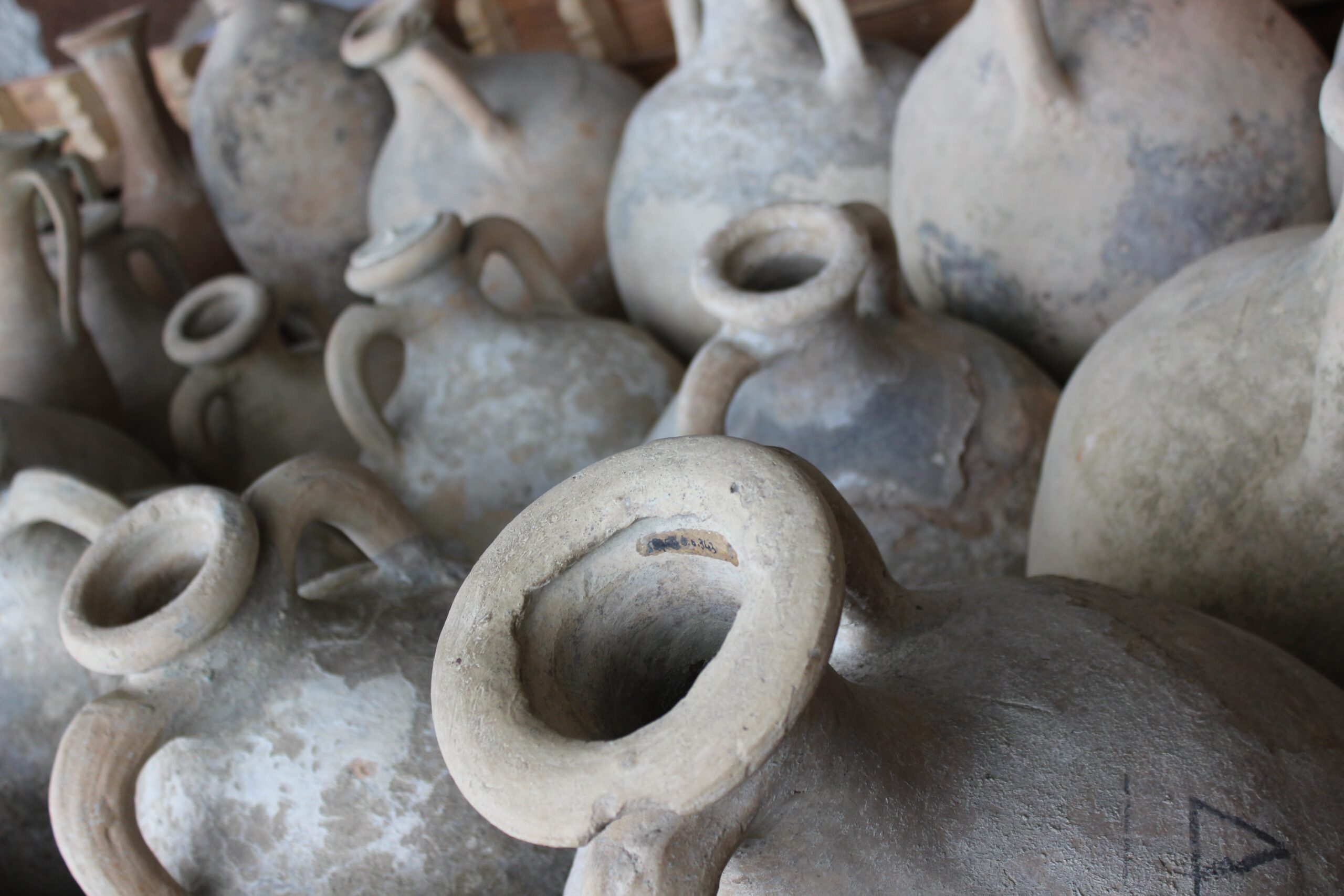
The scale of this trade can still be seen in Rome today at Monte Testaccio, an exceptional archaeological site. This artificial hill was formed by the accumulation of broken amphorae used to transport olive oil, mainly from the Roman province of Baetica, which covered part of present-day Andalusia. The remains reveal a highly organised trade capable of supplying the imperial capital with substantial quantities of olive oil over a long period. Inscriptions found on some amphorae also help historians reconstruct trading routes, identify production areas and understand how goods were monitored.
Transported by sea and overland, olive oil became an everyday commodity. It was an essential ingredient in the Roman diet, but was also used in cosmetics, medicinal preparations and oil lamps. The writings of Pliny the Elder and Columella show the attention paid to olive cultivation, the choice of varieties and production methods. The Roman period therefore marks a decisive chapter in the history of olive oil, when it became one of the Mediterranean world’s most important agricultural and commercial products.
Olive Oil in the Middle Ages
Following the fall of the Western Roman Empire, economic structures and trading networks underwent profound changes. Olive cultivation continued mainly in Mediterranean regions, where the climate remained favourable. In Western Europe, monasteries helped preserve and pass on certain agricultural skills, while exchanges between Christian, Byzantine and Muslim societies contributed to the circulation of knowledge and production techniques.
Olive oil continued to serve many purposes. It remained an important food ingredient in producing regions and was also used for lighting, soap-making and ointments. It held a particular place in Christian religious practices. Despite the political and economic changes of the period, olive trees remained deeply rooted in Mediterranean landscapes and traditions.
From the Early Modern Period to Olive Oil Production Today
From the early modern period onwards, expanding maritime trade and overseas exploration encouraged the introduction of olive trees into new territories. Cultivation gradually spread across parts of the Americas and later to other regions with climates similar to that of the Mediterranean basin. Nevertheless, the Mediterranean remained the centre of global olive oil production, thanks to its long-established olive-growing traditions and the diversity of its terroirs.
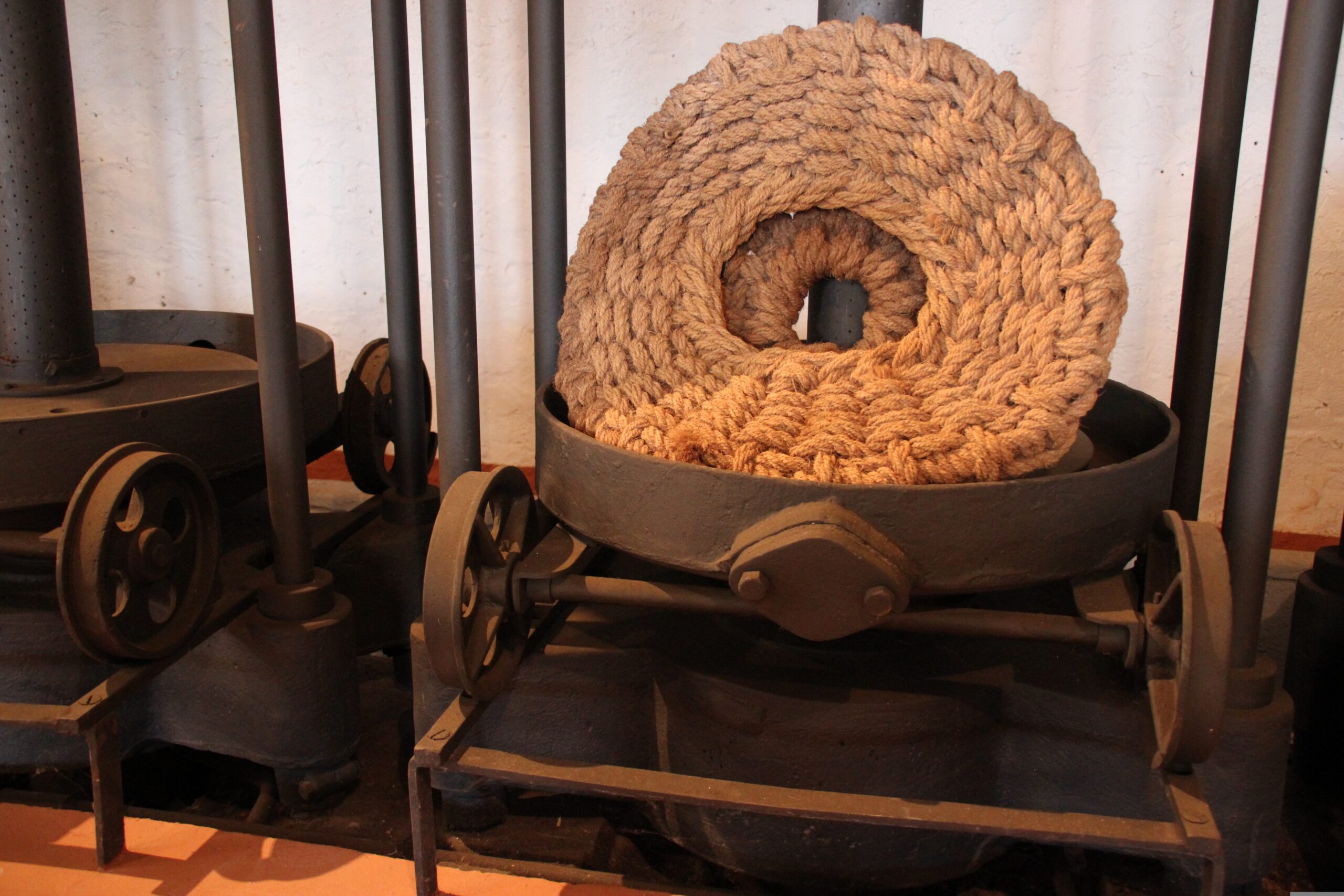
The nineteenth and twentieth centuries brought major changes to production methods. For centuries, olives had been crushed using millstones and then pressed in traditional installations.
Technological advances gradually mechanised these operations, improved yields and allowed producers to exercise greater control over extraction conditions. Today, modern mills mainly use mechanical processes designed to preserve the oil’s flavour and nutritional qualities, provided that strict standards are maintained throughout production.
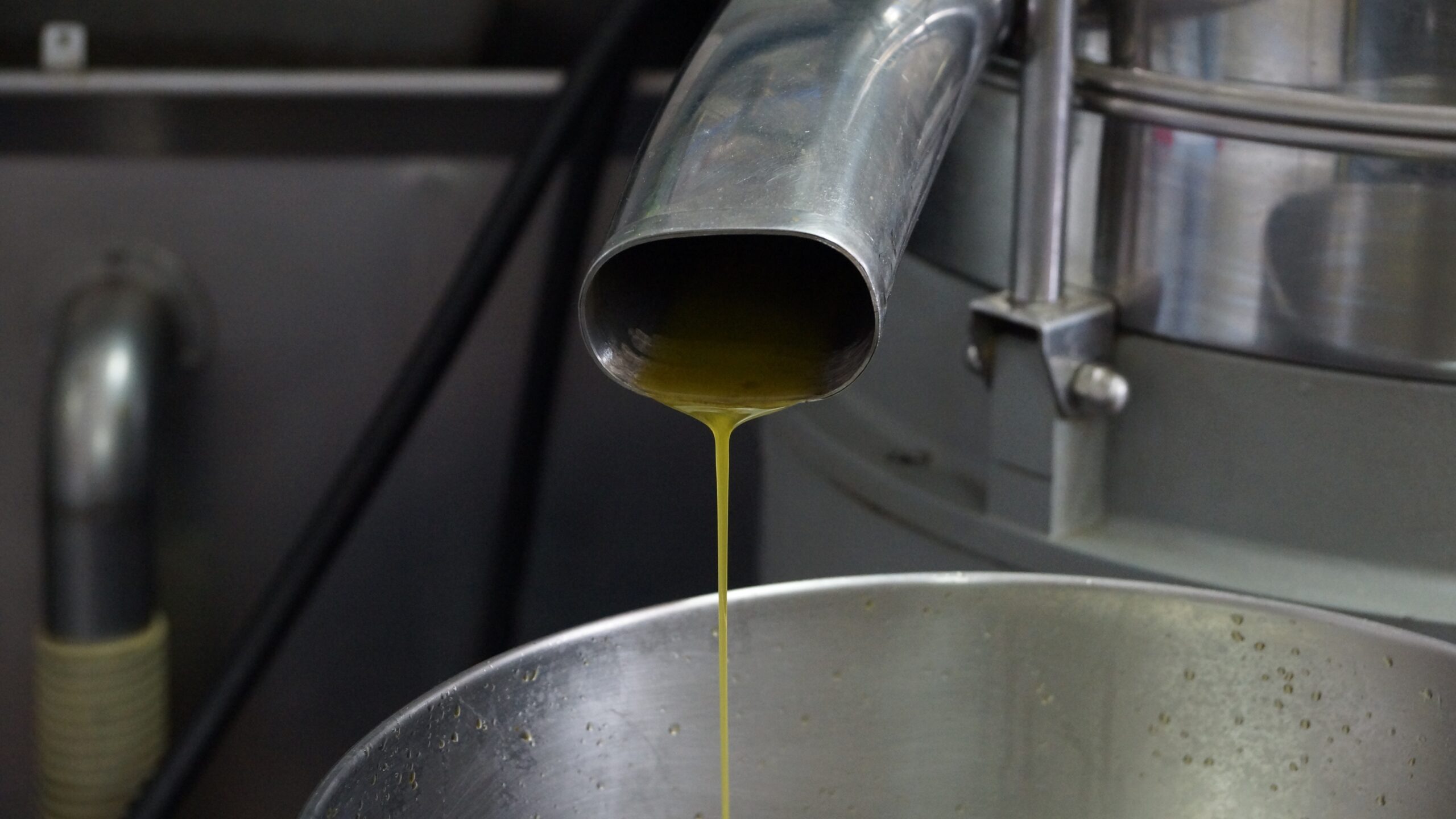
The quality of olive oil depends on many factors: the varieties grown, climatic conditions, the ripeness and health of the fruit at harvest, the time between picking and milling, and storage conditions. Increasing attention to these factors has accompanied the development of high-quality virgin and extra virgin olive oils, whose characteristics are now governed by specific standards.
The History of Olive Oil in Provence
Provence holds a special place in the history of olive growing in France. Although wild olive trees were already present in parts of southern France, the development of cultivated olive groves is traditionally associated with Mediterranean trade, particularly the arrival of Greek settlers in Marseille around 600 BC. The Romans subsequently helped expand olive groves and organise production. Over the centuries, the olive tree became one of the most recognisable features of the Provençal landscape, alongside vineyards and lavender fields.
The history of olive oil in Provence has also been marked by periods of prosperity and severe hardship. Following significant growth in olive cultivation during the early modern period, sunny hillsides were increasingly terraced and olive groves came to shape the rural landscape. The exceptional frost of February 1956, however, marked a dramatic turning point, destroying or damaging large numbers of trees and causing a sharp decline in production. The gradual revival of olive growing in Provence since then reflects the determination of producers to preserve both the trees and a centuries-old agricultural heritage.
Over generations, Provençal olive growers have developed skills suited to their terroirs and local varieties. In the Vallée des Baux-de-Provence, this tradition is closely associated with five emblematic olive varieties: Aglandau, Salonenque, Grossane, Verdale des Bouches-du-Rhône and Picholine. Each has its own agricultural and aromatic characteristics, contributing to the distinctive identity and diversity of the region’s olive oils.
At Domaine Les Opies, in the heart of this landscape, we continue this heritage by tending our olive trees with respect for their environment and the natural characteristics of our terroir. Harvesting the olives, taking them to the mill and producing our different olive oils are all part of a tradition stretching back thousands of years. Behind every bottle lies a landscape, a selection of local varieties and the expertise that connects today’s agricultural practices with those of earlier generations.
 A Living Cultural and Economic Heritage
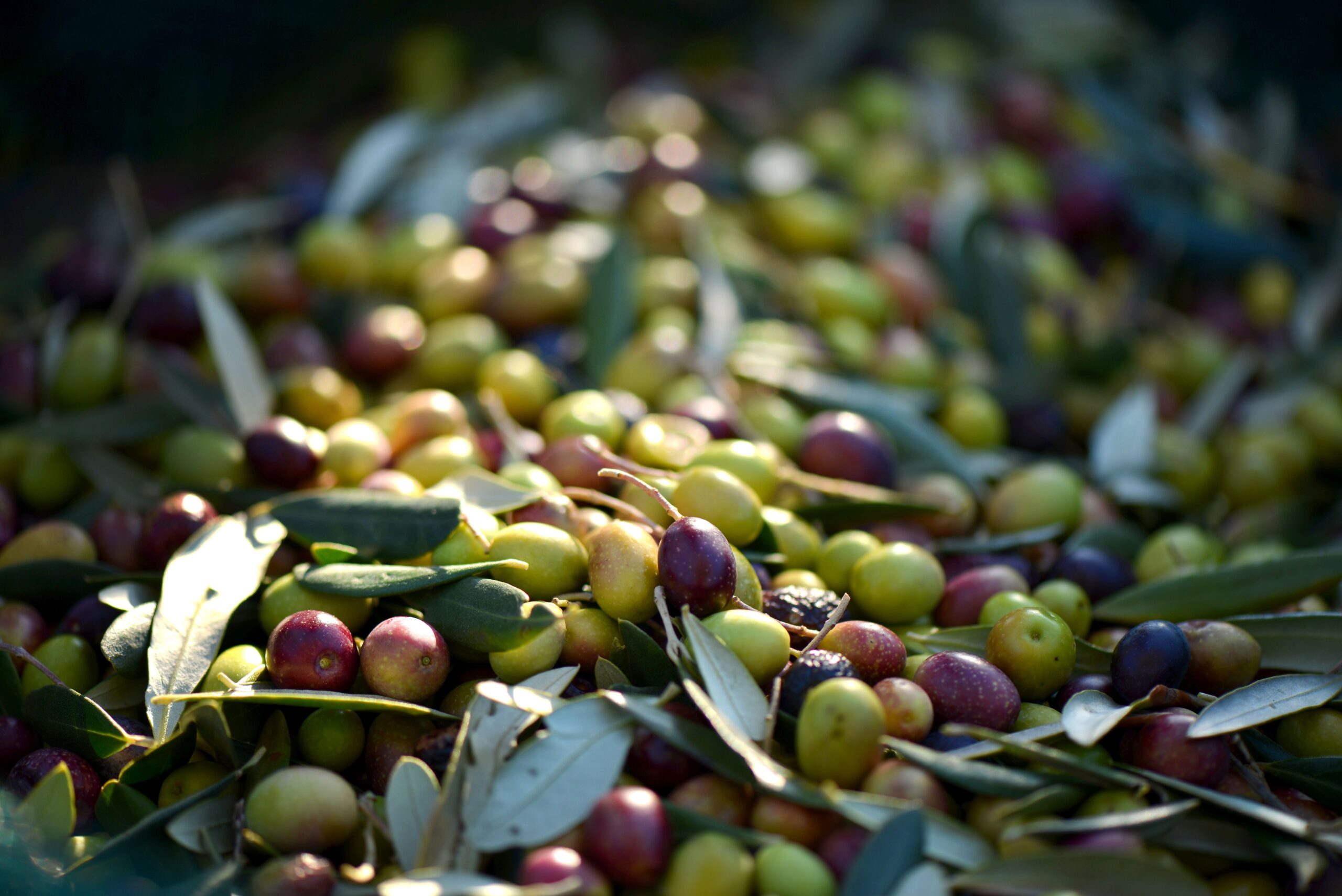
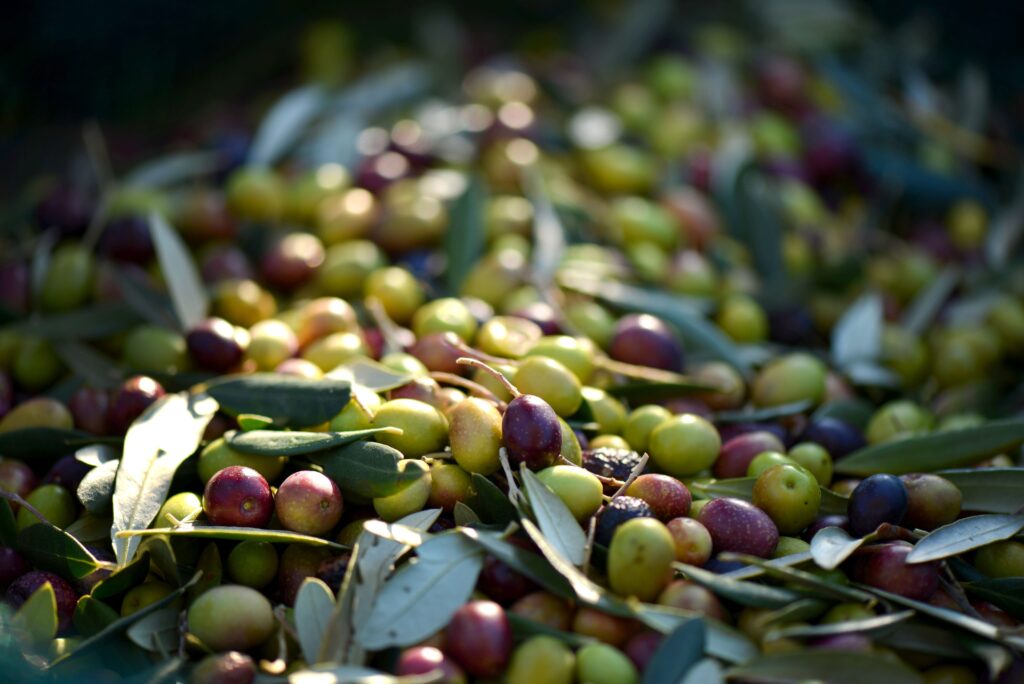
Today, olive oil plays a vital role in the agricultural economies of many Mediterranean countries. Spain, Italy and Greece are among the major historic producers, alongside countries such as Tunisia, Turkey and Portugal. Olive cultivation has also spread to other parts of the world, including California, South America, Australia and South Africa, reflecting growing interest in this emblematic product.
Beyond its economic importance, olive oil remains deeply embedded in local traditions. Harvests, olive mills, festivals and tasting events all help preserve and pass on a rich agricultural and culinary heritage. Olive oil is also one of the defining ingredients of the Mediterranean diet, whose nutritional benefits have been widely studied. Its high proportion of monounsaturated fatty acids and its antioxidant compounds contribute to its value as part of a balanced diet.
The history of olive oil is therefore about much more than a food product. It also tells the story of Mediterranean societies, their exchanges, their traditions and their relationship with the land. From the earliest civilisations of the Near East to the olive groves of modern Provence, olive oil represents an agricultural, cultural and human heritage that continues to be passed down and renewed. At Domaine Les Opies, this story unfolds anew each year, following the rhythm of the seasons and our olive harvest.
Sources and Further Reading
To explore the history of olive growing further, see the International Olive Council, Le Monde des Moulins and the Bouches-du-Rhône Departmental Archives. Full bibliographic references for the studies of Ein Zippori and Kfar Samir should be added once verified.


0 Comment