



Discovering Cracked Olives
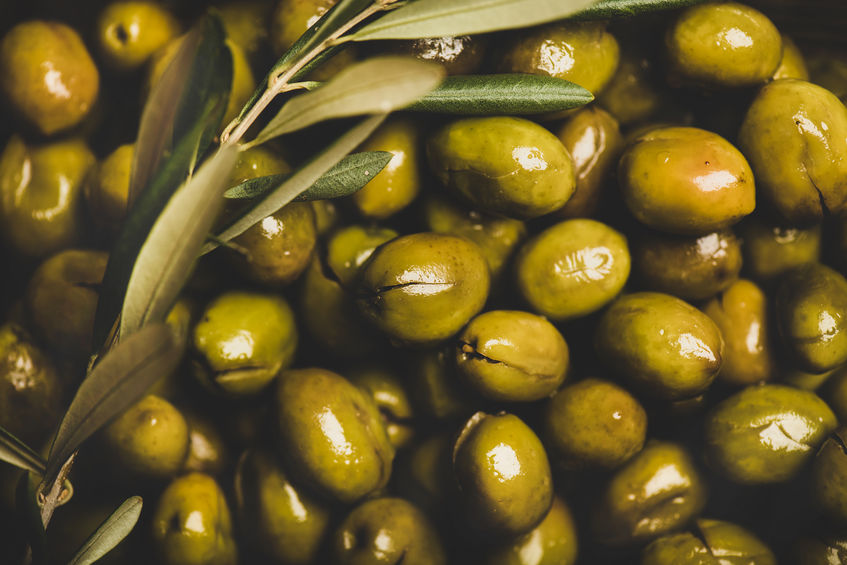
Discovering Cracked Olives
Cracked Olives – A Traditional Culinary Specialty
Cracked olives are an age-old, natural way of preparing olives that preserves both their nutritional value and unique flavor. This method is especially common around the Mediterranean, particularly in France (Provence) and parts of North Africa. They’re often enjoyed as an appetizer or served alongside Mediterranean dishes such as salads, mezze, or fish and meat plates.
Harvesting AOP Cracked Olives
The harvest of olives destined for AOP-certified cracked olives is regulated each year by the Director of the INAO (France’s national institute for quality and origin), following a request from the relevant AOP unions. The harvest start date is based on the olives’ level of ripeness, which varies from year to year, and is determined by how much oil they contain. This is known as lipogenesis: the oil accumulation process that begins once the olive pit hardens.
In Provence, for example, the AOP Olive & Olive Oil Union of the Vallée des Baux-de-Provence (SIOVB) has for several years used a mini lab mill to extract oil samples from olive batches. Starting in early August, the union tracks the ripening of Salonenque olives. When their oil content reaches about 6%, they’re ready to be cracked, debittered, and placed in a brine flavored with wild fennel. This process takes around fifteen days and allows the olives to absorb the salt and fennel flavors evenly.
The entire production process follows strict guidelines that preserve traditional techniques passed down for generations. Each batch of cracked olives labeled AOP Vallée des Baux de Provence” must pass a rigorous tasting by a panel of experts before earning the prestigious red-and-gold AOP seal. Just like with AOP olive oils, this certification is a true mark of quality.
Producing AOP cracked olives from the Vallée des Baux de Provence is a collaborative effort. The olive grower prunes and cares for their century-old trees in the Alpilles; the confiseur (preserver) follows the traditional recipe; and a tasting jury ensures the high standards expected of an AOP product. The real deal typically becomes available for sale around mid-September.
The Traditional Method for Preparing Cracked Olives
Cracked olives start with green olives that are harvested, then lightly crushed or split with a stone or tool, just enough to break the skin and flesh without destroying the fruit. This allows salt water or brine to penetrate more easily and helps remove some of the natural bitterness.
Once cracked, the olives are soaked in water, usually with the water changed daily, for several days or weeks to draw out their bitterness. This step is called debittering. Afterward, they’re preserved in brine (salt water) or marinated in a mix of olive oil, herbs, lemon, garlic, chili, and sometimes spices like fennel or bay leaf. Cracked olives have a milder taste than untreated ones, but still retain a slight bitterness. They’re often more tender, flavorful, and aromatic thanks to the added herbs and spices.
Recipe: Cracked Olives in Brine
Ingredients
- Fresh olives, ideally picked when ripe
- For the brine:
- Fine salt: 30g per liter of water
- 1 bunch of wild fennel
- 3 bay leaves
- Optional: thyme, rosemary, chili, juniper berries
Equipment
1 wooden board, 1 mallet or even a smooth stone to gently crack the olives, 1 large bowl, Sterilized glass jars with airtight lids
Preparation
Step 1: Preparing the olives
Place the olives on a wooden board and strike each one with a quick, firm tap to split it – but not smash it.
Put the cracked olives in a bowl of water.
Change the water twice a day (morning and evening) for at least 15 days. Taste regularly to monitor bitterness and extend the soaking time if needed.
Step 2: Making the brine
Boil the water with the salt in a saucepan.
Add the wild fennel and bay leaves to the boiling water and let steep for 10 minutes.
Strain the brine to remove the herbs, then let it cool completely.
Step 3: Filling the jars
Place the olives into clean, dry glass jars.
Pour in the cooled brine until the olives are fully covered.
Seal the jars tightly.
Store the jars away from light for at least 1 month, 2 months is even better.
Once opened, keep refrigerated and enjoy within 3 days for best flavor.
Olives in brine will keep for about 12 months in the fridge, but less at room temperature. Once opened, it’s best to enjoy them within 3 days.
Got your own recipe or olive photos to share? We’d love to see them, post them on our Facebook page!


LEAVE A COMMENT